
Stingray City Grand Cayman: Complete Visitor's Guide
Stingray City Grand Cayman: Complete 2026 Visitor’s Guide
Update. May 13, 2026
Standing in clear, waist-deep water on a sun-soaked sandbar while a school of friendly southern stingrays glides around your legs is one of those bucket-list experiences that more than lives up to the photos. Stingray City has been drawing visitors for decades, and for good reason — it remains one of the most unforgettable wildlife encounters anywhere in the Caribbean.
If you’re planning a trip to Grand Cayman, this updated guide will walk you through everything you actually need to know: where the sandbar is, how to get there, what a tour costs in 2026, the safety rules every operator follows, and how to pair the experience with the rest of your island stay.
Ready to build your trip around an unforgettable morning on the sandbar? Browse Grand Cayman vacation rentals and start planning.
In a Nutshell
Stingray City is a shallow, naturally occurring sandbar in the North Sound of Grand Cayman where dozens of southern stingrays gather to interact with visitors. The Sandbar sits in roughly 3–5 feet (about 1–1.5 metres) of water, while a deeper companion site called Stingray City proper sits in around 12 feet (3.7 metres) and is favoured by snorkellers and certified divers. Tours run year-round, take 20–30 minutes by boat from most Seven Mile Beach and Camana Bay departure points, and are managed by the Cayman Islands Department of Environment under formal Wildlife Interaction Zone rules.
Where Is Stingray City and What Makes It Special?
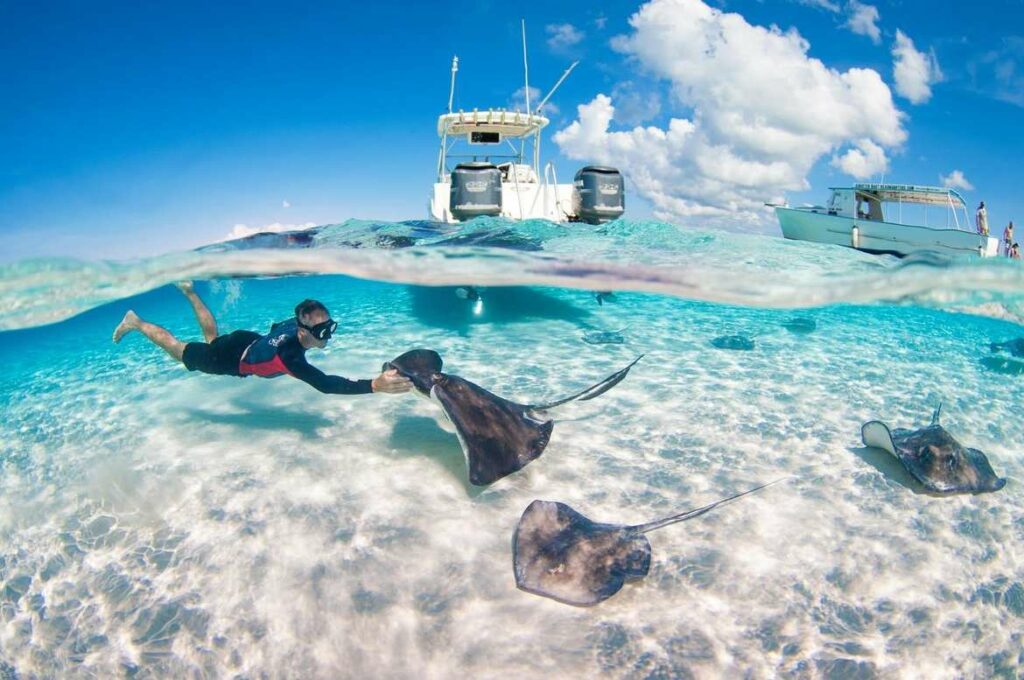
Stingray City sits in the calm, protected waters of the North Sound, roughly 3–5 miles (about 5–8 kilometres) offshore from Grand Cayman’s northern coast. It’s only reachable by boat — there’s no road access and no walk-on swimming spot.
The animals you’ll meet are southern stingrays (Hypanus americanus), and according to the Cayman Islands Department of Environment, the population that frequents the Sandbar has been broadly stable at around one hundred individuals over the last decade. They’ve gathered here for generations — local lore traces it back to fishermen cleaning their catch in the calm shallows, which drew the rays in to feed.
Today, the Sandbar is one of the Cayman Islands’ two formal Wildlife Interaction Zones, meaning every tour operator who brings visitors here must hold an annual permit and follow strict handling rules designed to protect the rays.
Stingray City vs the Stingray Sandbar: Which One Are You Visiting?
Most people use “Stingray City” as a catch-all name, but there are actually two distinct sites within the same general area of the North Sound, and which one you visit matters.
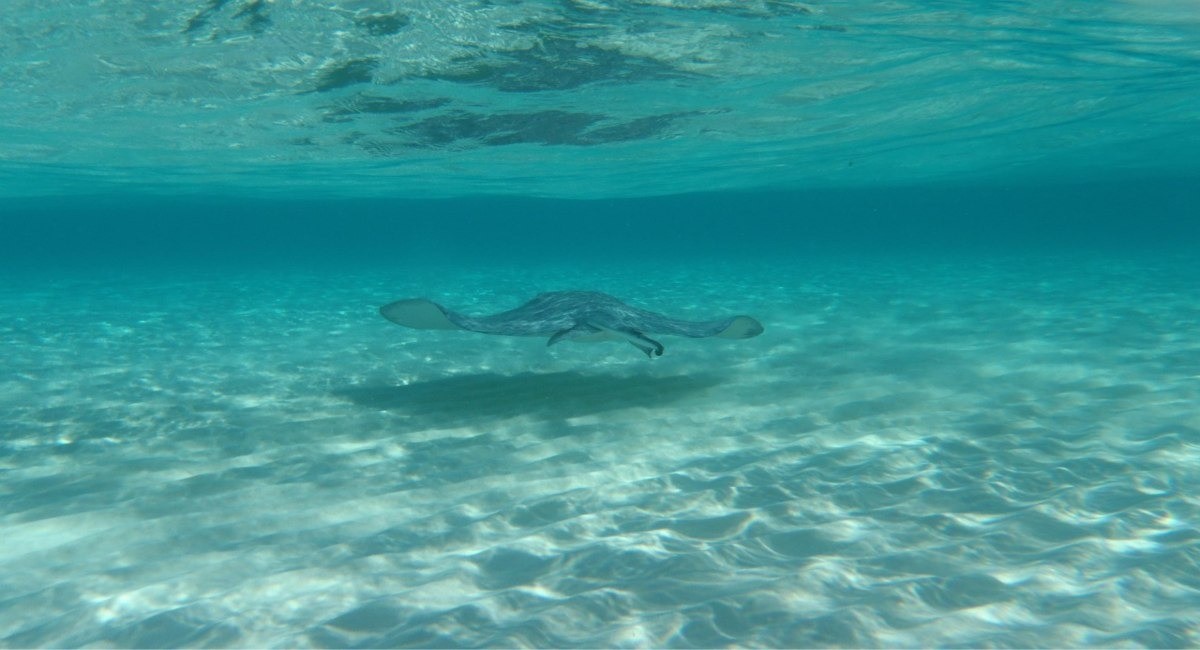
Photo credit: Pixabay
The Stingray Sandbar (the popular family option)
This is what most boat tours mean when they say “Stingray City”. The Sandbar sits in shallow, waist-deep water (3–5 feet / 1–1.5 metres) with a soft, sandy bottom. It’s calm, sheltered, and ideal for non-swimmers, families with young children, and anyone who’d rather stand than swim. According to the official Cayman Islands tourism board, the Sandbar is “a natural sand-bottomed aquarium with about waist-deep water in the middle of the North Sound”.
Stingray City proper (the snorkel and dive site)
The original “Stingray City” is a slightly deeper companion site in around 12 feet (3.7 metres) of water. The visitcaymanislands.com page describes it as “the best 12-foot dive in the world”, and it’s the better choice if you want to snorkel above the rays or dive to interact with them at depth. It’s quieter than the Sandbar and rewards confident swimmers with longer, calmer encounters.
Many operators combine both sites in a single tour, so you can see and feel the difference. If you have young kids or anyone in your group who isn’t a strong swimmer, prioritise a trip that includes the Sandbar.
When Is the Best Time to Visit Stingray City?
Stingray City tours operate year-round, and the rays are present every day. That said, a few seasonal and time-of-day patterns are worth knowing.
By season: December through April is dry season, with calm seas, light winds, and the best underwater visibility — often 80–100 feet or more. May through November is the wet/hurricane season; you may see brief afternoon showers and slightly choppier crossings, but the morning hours are usually still bright and calm. Tours typically run as scheduled outside of named storms.
By time of day: Mornings (8am–10am departures) tend to be calmer, with fewer cruise-ship visitors, gentler light for photos, and more time with the rays before crowds build. The midday block (11am–1pm) is when most cruise-ship excursions arrive at the Sandbar, so it’s busier. Afternoon tours quieten down again, and several operators run sunset and bioluminescence trips that combine an early ray stop with a Bio Bay experience after dark.
If you want the most relaxed experience, aim for a morning tour midweek, especially during the May–November shoulder season. For a full picture of what to expect month by month, see our guides to March in Grand Cayman and April in Grand Cayman.
You’ll need to book a boat. Tours run from several departure points around the western half of the island.
Departure Point
Approx. Boat Time to Sandbar
Best For
Camana Bay / Cayman Islands Yacht Club
~25 minutes
Most Seven Mile Beach guests; the most common pick-up
Safehaven Marina
~20–30 minutes
Larger group charters, catamarans
George Town Cruise Terminal
~25 minutes
Cruise visitors and South Sound stays
Rum Point / Kaibo (North Side)
~15 minutes
Guests already staying on the North Side or Cayman Kai
Morgan’s Harbour / West Bay
~20–25 minutes
Guests in West Bay and northern Seven Mile
Most operators on the Seven Mile Beach side run free or low-cost shuttles between the major resort areas and their docks, and any transportation pre-booked through us can be paired with a tour pick-up.
If you’re already staying near Rum Point, departing from the North Side cuts the boat ride almost in half — a small but real perk for anyone prone to motion sickness.
What Does a Stingray City Tour Cost in 2026?
Pricing depends heavily on the boat, the duration, and how many add-on stops are included. The ranges below reflect what we’re seeing across local operators in early 2026 — always check directly with your tour company at the time of booking.
Standard group boat tours (Sandbar only, 1.5–2 hours): roughly US$45–$75 per adult, often with a slight discount for children.
Three-stop tours (Sandbar + Coral Gardens + Starfish Point, 3–4 hours): roughly US$80–$120 per adult.
Premium catamaran or sunset tours: US$100–$150 per adult, often including drinks or a light meal.
Private half-day charters (up to 6–8 guests): US$700–$1,200+ total, depending on boat size.
Most tours include snorkel gear, a guide, and reef-safe sunscreen advice. A few operators include cameras or photo packages — check what’s bundled before you decide on price.
What Should You Expect on the Sandbar?
A typical Sandbar visit lasts 30–45 minutes and follows a predictable rhythm. Your captain will anchor in the shallows, the guide will brief the group on safe handling, and you’ll step off the boat into clear, warm water that comes up to your waist or chest depending on tide. Within a few minutes, the rays will start gliding around your legs.
Guides will often coax a ray into the cradle of their hands so each guest can feel the soft, velvety underside and pose for a photo. The rays are remarkably calm — they’re used to people, but they are wild animals, and the rules below exist for their welfare and yours.
Safety Rules and Stingray Etiquette
Every WIZ-permitted operator in 2026 follows the Department of Environment’s stingray handling guidelines. The headline rules are short and worth memorising before you step off the boat:
Never lift a stingray out of the water. Their internal organs are supported by the water column, and lifting causes serious stress and injury. This is the single most important rule on the Sandbar.
Do the “stingray shuffle” when wading — slide your feet along the sand instead of stepping. Rays rest on the bottom, and shuffling lets them sense your approach and move clear so you don’t accidentally step on one.
Approach gently and from the side. Avoid the eyes, gills, and tail. Touch the back or the wing edges only, and let the guide demonstrate first.
Don’t chase, grab, or restrain any ray. Let them come to you — they will.
Only feed under guide supervision and only with the food the operator provides. Outside Stingray City and the Sandbar, feeding marine life in Cayman waters is illegal.
Serious incidents at Stingray City are extremely rare. The rays are among the most-handled marine animals in the world, and the protocols above are the reason that’s stayed safe for visitors and sustainable for the rays.
What to Bring (and What to Leave Behind)
A small, well-chosen kit makes the day far more comfortable.
Reef-safe, mineral-based sunscreen. The Cayman Islands actively protect their marine environment, and oxybenzone-based products are widely discouraged.
A rash guard or light sun shirt. The North Sound sun is intense, especially during the dry-season midday window.
Quick-dry shorts and a swimsuit. Most operators have onboard towels but check before you go.
A waterproof phone pouch or GoPro. Underwater shots are spectacular here. Many operators also offer photo packages.
Cash or card for tips. Tipping the boat crew (around 15–20% of the tour price) is customary and appreciated.
Leave jewellery, watches, and anything that could fall off in the boat — small items lost in the Sandbar’s soft sand are almost never recovered.
Combine Stingray City with Other North Sound Experiences
Most full-morning or full-day tours bundle a few extras into the trip. Three of the most popular pairings:
Coral Gardens — A shallow, well-protected snorkelling stop a short distance from the Sandbar. Excellent for spotting parrotfish, sergeant majors, and the occasional turtle. Pairs well with our snorkelling guide for Seven Mile Beach.
Starfish Point — A calm, beach-accessible cove on the North Side where cushion sea stars rest in shallow water. Look but don’t lift; like stingrays, starfish are stressed by being held above water.
Rum Point or Kaibo for lunch — Several operators add a stop for beachside dining on the North Side. Rum Point in particular is a perfect midday break with shaded cabanas and easy swimming.
For visitors looking for something romantic, an evening bioluminescence tour out of the North Side is one of the most magical add-ons on the island — separate from the daytime Sandbar trip, but worth its own slot in the itinerary.
Where to Stay for Easy Stingray City Access
The closer you stay to the western or northern side of the island, the simpler the logistics.
Seven Mile Beach is the most convenient base for Camana Bay and Safehaven departures. A Seven Mile Beach condo or resort property puts you within ten minutes of most boat docks.
West Bay is even closer to the northern Seven Mile departures. Browse West Bay rentals for the shortest pre-tour drives.
Cayman Kai or Rum Point is the smart pick for guests who’d rather depart from the North Side. The boat ride to the Sandbar is the shortest from this side of the island, and you wake up to a quieter, more local stretch of coastline.
For a splurge — particularly for honeymooners or special-occasion trips — our private luxury homes and direct waterfront properties often come with private docks and ocean access of their own.
If you’re travelling with kids or extended family, browse family-friendly properties to find homes with private pools, multiple bedrooms, and the space to decompress after a busy half-day on the water.
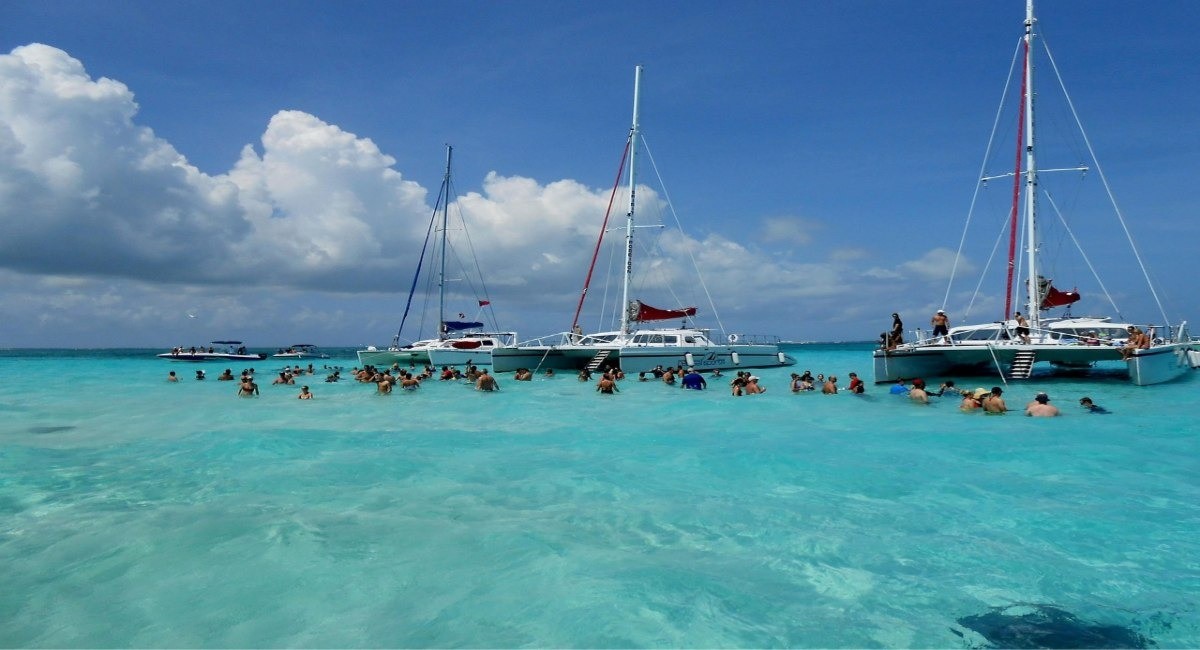
Photo credit: Pixabay
Plan Your 2026 Stingray City Trip
Stingray City delivers the kind of memory people talk about for years — a calm sandbar, clear water, and dozens of curious wild animals choosing to glide right up to you. Pair it with the right home base and a thoughtful tour operator and you’ve got the centrepiece of an unforgettable Caribbean week.
Disclaimer
This article is published for general informational purposes only and does not constitute professional travel advice. Tour pricing, operator schedules, and regulatory guidance change over time — always verify the latest details with your chosen tour operator and the Cayman Islands Department of Environment before finalising plans. While every effort has been made to ensure accuracy at the time of writing, marine wildlife encounters are inherently variable and conditions on the day determine the experience.
Frequently Asked Questions About Stingray City Grand Cayman
Where exactly is Stingray City in Grand Cayman?
Stingray City is in the North Sound of Grand Cayman, roughly 3–5 miles (5–8 kilometres) offshore from the island’s northern coast. It’s only reachable by boat — there is no overland or beach access. The Sandbar sits in shallow water, while a deeper companion site called Stingray City proper sits in about 12 feet (3.7 metres) of water nearby.
Is Stingray City safe? Have people been hurt?
Yes, Stingray City is considered very safe when you follow your guide’s instructions and the Department of Environment handling rules. Serious incidents are extremely rare. Southern stingrays are gentle, accustomed to humans, and only sting defensively if stepped on or restrained — which is why the “stingray shuffle” and the no-lifting rule exist.
How long does a Stingray City tour take?
Most tours take between 1.5 and 4 hours total, including the boat ride. A Sandbar-only trip is roughly 1.5–2 hours, while a three-stop tour with Coral Gardens and Starfish Point is typically 3–4 hours. Half-day private charters can run longer if you bundle a lunch stop at Rum Point or Kaibo.
How much does a Stingray City tour cost in 2026?
Group boat tours typically run US$45–$75 per adult for a Sandbar-only trip and US$80–$150 per adult for longer combo tours that include snorkelling, lunch, or sunset add-ons. Private half-day charters generally start around US$700 for a small group. Always confirm pricing directly with your operator, as rates change seasonally.
What’s the difference between Stingray City and the Stingray Sandbar?
They’re two related but distinct sites in the North Sound. The Sandbar is the shallow, waist-deep area most people visit — ideal for families, non-swimmers, and short walking encounters. Stingray City proper is a deeper site (around 12 feet / 3.7 metres) better suited to snorkellers and divers who want a longer, calmer underwater interaction.
Can children visit Stingray City?
Yes. The Stingray Sandbar is shallow enough for most children to stand in, and many operators welcome kids of all ages with a parent or guardian present. Younger children typically stay on the boat or close to a parent, while older kids who can swim are usually fine to wade with the group. Confirm minimum ages with your specific tour operator before booking.
What should I bring on a Stingray City tour?
Bring reef-safe mineral sunscreen, a swimsuit, a rash guard or light sun shirt, quick-dry shorts, a waterproof phone pouch or GoPro for photos, and small bills or a card for tips. Most operators provide snorkel gear and towels. Leave jewellery and watches at the rental — small items lost in the Sandbar are almost never recovered.
Do I need to be a strong swimmer to visit Stingray City?
No, not for the Sandbar. The water at the Stingray Sandbar is only 3–5 feet (about 1–1.5 metres) deep, so most adults can stand comfortably. Stingray City proper, the deeper companion site, requires swimming or snorkelling skill — choose a tour that visits the Sandbar if anyone in your group isn’t comfortable in deeper water.
Where do tours to Stingray City depart from?
Most tours depart from the western and northern sides of the island — Camana Bay, Safehaven Marina, the Cayman Islands Yacht Club, the George Town Cruise Terminal, Morgan’s Harbour, or Rum Point/Kaibo on the North Side. Boat times to the Sandbar range from about 15 minutes (Rum Point) to 30 minutes (Seven Mile Beach side).
Is it ethical to visit Stingray City?
The site is regulated under the Cayman Islands Wildlife Interaction Zone framework, and every commercial operator must hold an annual Department of Environment permit and follow strict handling rules. Choose a permitted operator, follow the no-lift / no-grab / shuffle rules, and the experience is widely considered a sustainable, well-managed example of wildlife tourism.